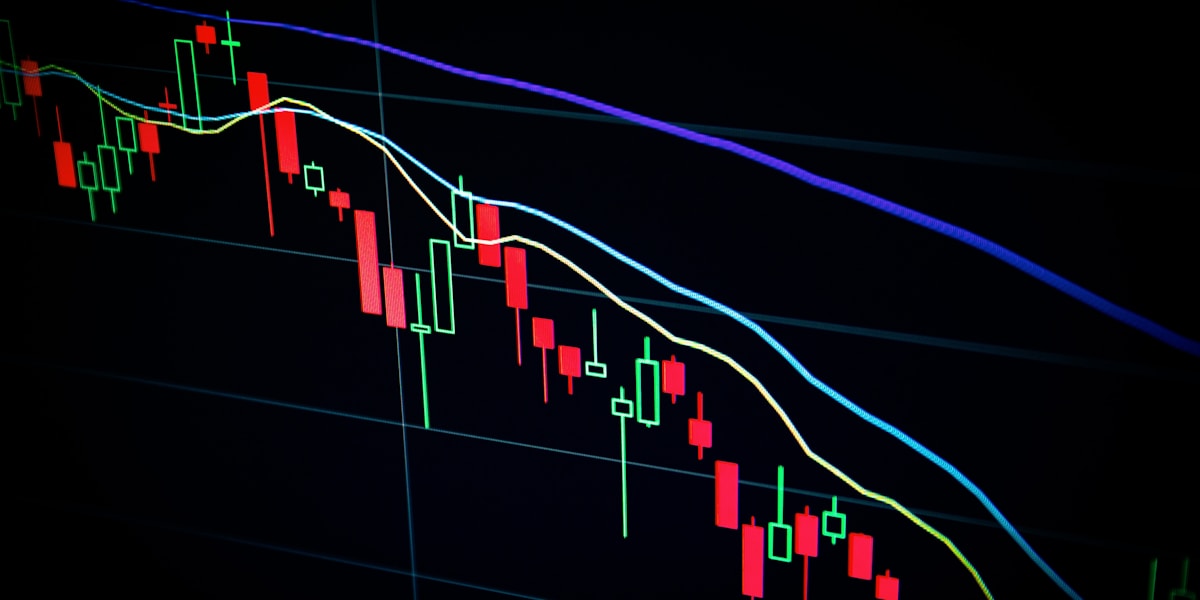
Most investors focus on returns, but professional investors know that understanding volatility and drawdowns is what separates sustainable wealth from catastrophic losses. A portfolio that gains 20% one year and loses 30% the next has very different outcomes than one that gains 8% consistently—even if the average return is the same.
This guide will teach you everything you need to know about portfolio volatility and drawdowns: what they are, why they matter, and how to protect your investments from the devastating effects of large declines.
What is Portfolio Volatility?
Portfolio volatility measures how much your portfolio's value swings up and down over time. It's typically measured using standard deviation, which tells you how much returns deviate from the average.
Example: A portfolio with 15% annual volatility will typically see:
- Daily swings of ±1-2%
- Monthly swings of ±4-5%
- Annual swings of ±15%
Higher volatility doesn't necessarily mean losses—it means larger swings in both directions. But high volatility creates emotional stress and often leads to panic selling at the worst times.
Why Volatility Matters
Volatility matters for three critical reasons:
- Emotional Stress: High volatility creates anxiety and leads to poor decision-making. Many investors can't handle watching their portfolio swing 5% in a single day.
- Sequence of Returns Risk: The order of returns matters. A 50% loss followed by a 50% gain doesn't get you back to even—you're still down 25%.
- Compounding Impact: Volatility reduces the effectiveness of compounding. A volatile portfolio compounds less effectively than a stable one with the same average return.
📊 Volatility Math: A portfolio with 10% average return and 20% volatility will have a lower compound return than a portfolio with 10% average return and 10% volatility. This is because losses have a larger impact than equivalent gains.
What Are Drawdowns?
A drawdown is the peak-to-trough decline in your portfolio value. It measures how far your portfolio falls from its highest point before recovering.
Example: If your portfolio reaches $100,000, then drops to $70,000 before recovering, you experienced a 30% drawdown.
The Devastating Math of Drawdowns
Drawdowns are devastating because losses require larger gains to recover. This is one of the most important concepts in investing:
Drawdown Recovery Math:
- 10% loss requires 11% gain to recover
- 20% loss requires 25% gain to recover
- 30% loss requires 43% gain to recover
- 50% loss requires 100% gain to recover
- 75% loss requires 300% gain to recover
⚠️ Critical Insight: A 50% portfolio loss requires a 100% gain just to break even. This is why preventing large drawdowns is more important than maximizing returns. Many investors never recover from large drawdowns because they panic-sell at the bottom.
Real-World Examples of Volatility and Drawdowns
The 2022 Tech Crash
In 2022, tech-heavy portfolios experienced extreme volatility and massive drawdowns:
- ARKK ETF: 80% drawdown from peak, extreme volatility of 60%+
- Growth Stock Portfolios: 50-70% drawdowns, volatility spiked to 40-50%
- Crypto Portfolios: 70-90% drawdowns, volatility exceeded 80%
Many investors who thought they could handle volatility discovered they couldn't when faced with real losses. This led to panic selling at the bottom, locking in losses.
The 2008 Financial Crisis
During the 2008 crisis, even diversified portfolios experienced significant drawdowns:
- S&P 500: 57% drawdown
- International stocks: 60%+ drawdowns
- Real estate: 40-50% drawdowns
- Corporate bonds: 20-30% drawdowns
The recovery took years. Investors who sold during the drawdown missed the recovery and never regained their losses.
How to Measure Volatility
Standard Deviation
Standard deviation is the most common measure of volatility. It tells you how much returns deviate from the average.
Interpretation:
- Low volatility (5-10%): Stable returns, minimal stress, but potentially lower returns
- Moderate volatility (10-20%): Balanced risk and return, manageable for most investors
- High volatility (20%+): Large swings, high stress, but potentially higher returns
- Extreme volatility (30%+): Very difficult to handle emotionally, often leads to poor decisions
Beta
Beta measures how sensitive your portfolio is to market movements. A beta of 1.0 means your portfolio moves with the market. Beta of 1.2 means 20% more movement than the market.
VIX (Volatility Index)
The VIX measures expected market volatility. High VIX (>30) indicates fear and high expected volatility. Low VIX (<15) indicates complacency and low expected volatility.
How to Measure Drawdowns
Maximum Drawdown
Maximum drawdown is the largest peak-to-trough decline your portfolio has experienced. This is one of the most important risk metrics because it shows the worst-case scenario you've actually experienced.
Drawdown Duration
Drawdown duration measures how long it takes to recover from a drawdown. A 30% drawdown that recovers in 6 months is very different from one that takes 5 years to recover.
Current Drawdown
Current drawdown shows how far your portfolio is from its peak right now. This is critical for understanding your current risk exposure.
Strategies to Reduce Volatility
1. Diversification
Diversification across asset classes, sectors, and geographies reduces volatility without necessarily reducing returns. This is the "free lunch" of investing.
2. Asset Allocation
Including bonds, cash, and alternative assets reduces portfolio volatility. A 60/40 stock/bond portfolio has significantly lower volatility than a 100% stock portfolio.
3. Volatility-Based Position Sizing
Reduce position sizes in high-volatility assets. If a stock has 40% volatility, consider a smaller position than you would for a stock with 15% volatility.
4. Hedging
Use options, inverse ETFs, or other hedging strategies to reduce volatility during uncertain times. This is advanced but can be valuable.
Strategies to Limit Drawdowns
1. Set Maximum Drawdown Limits
Define your maximum acceptable drawdown (e.g., 20% for moderate risk, 30% for aggressive). When you approach this limit, reduce risk exposure.
2. Use Stop-Losses
Stop-loss orders automatically sell positions when they drop to a predetermined level, limiting individual position drawdowns. Use volatility-based stops to avoid being stopped out by normal volatility.
3. Maintain Cash Reserves
Keeping 5-10% in cash provides a buffer during drawdowns and allows you to buy opportunities when markets decline.
4. Dynamic Asset Allocation
Reduce stock exposure when volatility spikes or valuations become extreme. Increase exposure when markets are oversold and volatility is high (contrarian approach).
5. Monitor Continuously
Use portfolio monitoring tools to track drawdowns in real-time. Get alerts when drawdowns exceed your thresholds so you can take action before losses become catastrophic.
Monitor Volatility and Drawdowns Automatically
Guardfolio AI continuously tracks your portfolio's volatility and drawdowns, alerting you when thresholds are exceeded. Get professional risk monitoring without the complexity.
Start Free Risk MonitoringThe Psychology of Volatility and Drawdowns
Understanding the math is only half the battle. The psychology of volatility and drawdowns is equally important:
Volatility Creates Emotional Stress
Research shows that investors experience 2x more pain from losses than pleasure from equivalent gains. High volatility means more frequent losses (even temporary ones), creating constant stress.
Drawdowns Trigger Panic Selling
When drawdowns exceed 20-30%, many investors panic and sell at the bottom. This locks in losses and prevents participation in the recovery.
The Solution: Preparation and Monitoring
The best way to handle volatility and drawdowns is to:
- Understand your true risk tolerance: Be honest about how much volatility and drawdown you can handle
- Set limits before you need them: Define maximum drawdown thresholds when you're thinking clearly
- Monitor continuously: Use tools to track volatility and drawdowns so you're not surprised
- Have a plan: Know what you'll do when limits are breached
Volatility vs. Risk: Understanding the Difference
Volatility and risk are related but not the same:
- Volatility: Measures price swings (both up and down)
- Risk: Measures the probability of permanent loss
A stock can be highly volatile but low risk if you have a long time horizon. A bond can be low volatility but high risk if there's credit risk or inflation risk.
However, for most investors, high volatility increases risk because:
- It creates emotional stress leading to poor decisions
- It increases the likelihood of panic selling
- It reduces the effectiveness of compounding
- It creates sequence of returns risk
Conclusion: Volatility and Drawdowns Are Manageable
Volatility and drawdowns are inevitable parts of investing, but they don't have to destroy your wealth. By understanding what they are, why they matter, and how to manage them, you can protect your portfolio while still achieving your financial goals.
The key is preparation: understand your risk tolerance, set appropriate limits, monitor continuously, and have a plan for when things go wrong. The tools and strategies exist—you just need to use them.
💡 Remember: Preventing large drawdowns is more important than maximizing returns. A portfolio that avoids 50% drawdowns will outperform a volatile portfolio over the long term, even with lower average returns.